Easy Chimichurri Sauce – Fresh Herb Flavor
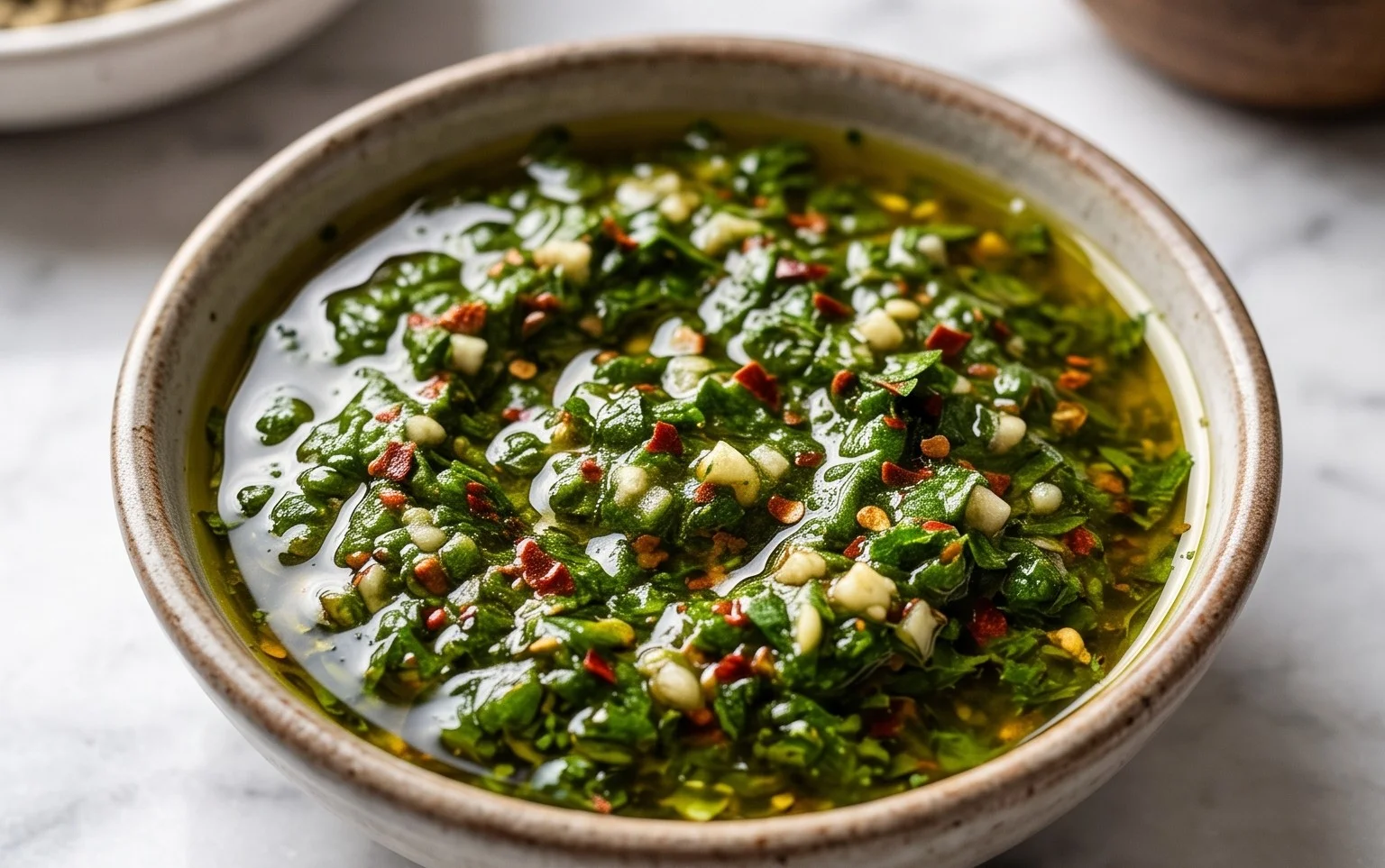
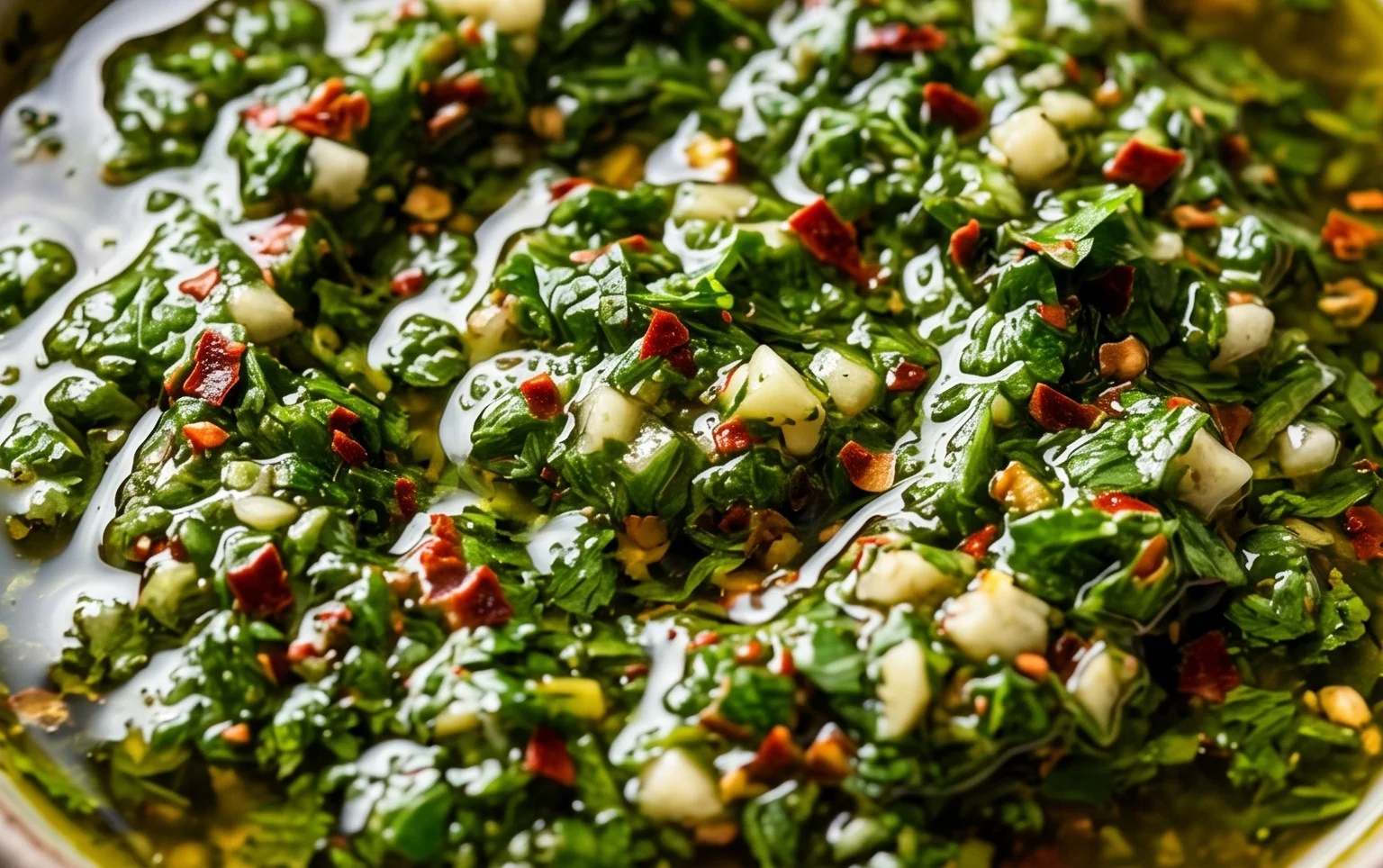
Chimichurri sauce is more than just a condiment; it’s a vibrant explosion of flavor that has captured the hearts of food lovers everywhere. If you’ve ever savored a perfectly grilled steak or a tender piece of chicken that tasted just right, chances are a generous dollop of this Argentinian masterpiece was involved. What is it about this herbaceous, garlicky concoction that makes it so irresistible? It’s the perfect balance of fresh parsley and oregano, the zesty kick of red grape juice vinegar, and the subtle warmth of chili flakes, all brought together with good quality olive oil. This isn’t just about enhancing food; it’s about transforming it, adding a bright, herbaceous counterpoint that cuts through richness and elevates every bite. This versatile Chimichurri sauce is your secret weapon for making everyday meals feel extraordinary.
Chimichurri Sauce: The Vibrant Green Elixir That Will Transform Your Meals
When it comes to flavor boosters, few sauces can rival the vibrant, herbaceous punch of chimichurri. Origin extractating from Argentina and Uruguay, this uncooked sauce is traditionally served with grilled meats, particularly steak, but its versatility extends far beyond. Imagin extracte a bright, zesty, and slightly spicy condiment that can elevate anything from roasted vegetables to grilled fish, and even sandwiches and dips. Making chimichurri from scratch is surprisingly simple, and the result is a fresh, aromatic sauce that will have you reaching for it again and again. Forget store-bought versions; the depth of flavor you can achieve with fresh ingredients is unparalleled.
This recipe is my go-to for a classic chimichurri. It strikes a perfect balance between fresh herbs, pungent garlic, and tangy vinegar, all brought together by the richness of olive oil. The key to a truly exceptional chimichurri lies in the quality of your ingredients and a little bit of patience in allowing the flavors to meld.
Ingredients:
*A note on the parsley: It’s important to use fresh parsley for this recipe. Italian flat-leaf parsley is generally preferred for its more robust flavor and less bitter profile compared to curly parsley. Ensure the leaves are clean and dry before packing them into the measuring cup.
**Regarding the olive oil: A good quality extra virgin extract olive oil will impart the best flavor. You can adjust the amount slightly depending on your desired consistency, but this ratio provides a good starting point for a saucy yet not overly oily chimichurri.
Crafting Your Chimichurri: Step-by-Step
The process of making chimichurri is more about preparation and assembly than traditional cooking. It’s a wonderfully tactile experience, involving chopping and blending to create a beautiful, emerald-green sauce.
Step 1: Prepare Your Herbs and Aromatics
The foundation of any great chimichurri is its fresh herbs. Start by thoroughly washing your parsley and cilantro. Gently pat them dry with paper towels or use a salad spinner to remove excess moisture. This is crucial because too much water can dilute the flavor and affect the texture of your sauce. For the parsley, you’ll want to pack it tightly into your measuring cup. Remove any thick stems from the parsley and cilantro, as these can be fibrous and less flavorful. Next, prepare your oregano. If you’re using fresh oregano, rinse and dry it similarly to the other herbs. If you’re opting for dried oregano, measure it out carefully. Finely chop the red onion (or shallot) and mince the garlic cloves. The finer you chop these, the more evenly they will distribute their flavor throughout the sauce. Some people prefer to pulse these ingredients in a food processor, which is a perfectly acceptable shortcut, but the texture achieved by hand-chopping can be quite lovely.
Step 2: Combining the Dry and Wet Ingredients (Partially)
In a medium-sized bowl, combine your finely chopped parsley, cilantro, oregano (fresh or dried), red onion (or shallot), and minced garlic. Add the salt and red pepper flakes (if using) to this bowl. Now, pour in the red grape juice vinegar and fresh lemon juice. Red grape juice vinegar offers a subtle sweetness and a beautiful color that complements the herbs. Lemon juice provides that essential bright acidity that cuts through richness and adds a refreshing zing. Stir these ingredients together thoroughly. You want to ensure that the herbs and aromatics are evenly coated with the vinegars. At this stage, it’s a good idea to taste the mixture. You’re looking for a good balance of herbaceousness and acidity. You can adjust the amount of vinegar or lemon juice here if you prefer it tangier.
Step 3: The Olive Oil Emulsion
This is where the magic really happens. Slowly drizzle in the olive oil while stirring constantly. You can do this by hand with a whisk or a spoon, or if you’re using a food processor, you can stream it in while the processor is running on a low setting. The goal is to create a slightly emulsified sauce. You don’t want it to be perfectly smooth like a mayonnaise, but rather a cohesive mixture where the oil is well incorporated with the herbs and vinegars. Continue to stir or process until the sauce has a pleasant, pourable consistency. The olive oil binds all the flavors together and creates a luscious texture that coats everything it touches.
Step 4: Resting and Flavor Development
This step is arguably the most important for achieving the best flavor. Once your chimichurri is assembled, cover the bowl and let it sit at room temperature for at least 30 minutes, or ideally, for an hour. This resting period allows all the individual flavors to meld and develop. The sharp edges of the garlic and onion will soften, and the herbs will infuse more deeply into the vinegar and oil mixture. You’ll notice the aroma intensifying during this time. If you have the time, making the chimichurri a few hours in advance and refrigerating it is also a great option. Just remember to bring it back to room temperature and give it a good stir before serving.
Step 5: Final Seasoning and Serving
After the resting period, give your chimichurri a final taste. This is your chance to adjust the seasoning. Does it need a little more salt? Perhaps a touch more lemon juice for brightness? If you’re a fan of heat, now is the time to add more red pepper flakes. Stir everything together one last time. Your vibrant, flavorful chimichurri is now ready to be enjoyed! Serve it alongside grilled steaks, chicken, fish, roasted vegetables, or use it as a dressing for salads and a zesty spread for sandwiches. It’s also fantastic with potatoes and even scrambled eggs.
Chimichurri is best enjoyed fresh, but it can be stored in an airtight container in the refrigerator for up to a week. The flavors will continue to develop and deepen during this time, making it even more delicious. Enjoy this simple yet incredibly impactful sauce that’s sure to become a staple in your culinary repertoire!
Conclusion:
And there you have it – a foolproof guide to creating vibrant, flavourful chimichurri sauce! This recipe is fantastic because it’s incredibly simple to make, requiring just a handful of fresh ingredients and a quick blend. The resulting sauce is a burst of herbaceous goodness, perfectly balanced with a tangy kick, making it the ultimate condiment to elevate any dish. From grilled steaks and chicken to roasted vegetables and even seafood, chimichurri is your secret weapon for adding a fresh, zesty dimension.
Don’t be afraid to experiment! You can easily adjust the heat by adding more or less chili flakes, or swap out some of the parsley for cilantro for a slightly different herbaceous profile. This chimichurri sauce recipe is incredibly versatile and a true game-changer in the kitchen. I highly encourage you to give it a try; you’ll be amazed at how this simple sauce can transform your meals. Get ready to impress yourself and your guests!
Frequently Asked Questions:
How long does chimichurri sauce last?
When stored properly in an airtight container in the refrigerator, your homemade chimichurri sauce should stay fresh for up to 5-7 days. The olive oil acts as a natural preservative.
Can I make chimichurri sauce ahead of time?
Absolutely! Chimichurri sauce is actually best made a few hours or even a day in advance. This allows the flavours to meld and deepen, resulting in an even more delicious sauce.
What if I don’t have fresh oregano?
While fresh oregano is ideal for that authentic chimichurri flavour, you can substitute with dried oregano. Use about 1 tablespoon of dried oregano for every tablespoon of fresh. Keep in mind that dried herbs are more potent, so start with less and add more to taste.
Chimichurri Sauce
A vibrant and herbaceous Argentinian sauce, perfect for grilling.
Ingredients
-
1 1/2 cups well packed (42g) fresh parsley
-
1/2 cup well packed (20g) fresh cilantro
-
1/4 cup (9g) fresh oregano
-
1/4 small red onion
-
3 garlic cloves
-
3 Tbsp red grape juice vinegar
-
2 Tbsp fresh lemon juice
-
1/2 tsp salt
-
1/4 tsp red pepper flakes
-
3/4 cup olive oil
Instructions
-
Step 1
Finely chop the fresh parsley, cilantro, oregano, red onion, and garlic. -
Step 2
In a medium bowl, combine the chopped herbs, red onion, and garlic. -
Step 3
Add the red grape juice vinegar, fresh lemon juice, salt, and red pepper flakes (if using). -
Step 4
Whisk everything together until well combined. -
Step 5
Slowly drizzle in the olive oil while whisking continuously until the sauce emulsifies. -
Step 6
Taste and adjust seasoning with more salt or red pepper flakes as needed.
Important Information
Nutrition Facts (Per Serving)
It is important to consider this information as approximate and not to use it as definitive health advice.
Allergy Information
Please check ingredients for potential allergens and consult a health professional if in doubt.