Irresistible Sourdough Cheese Bread- Easy Recipe
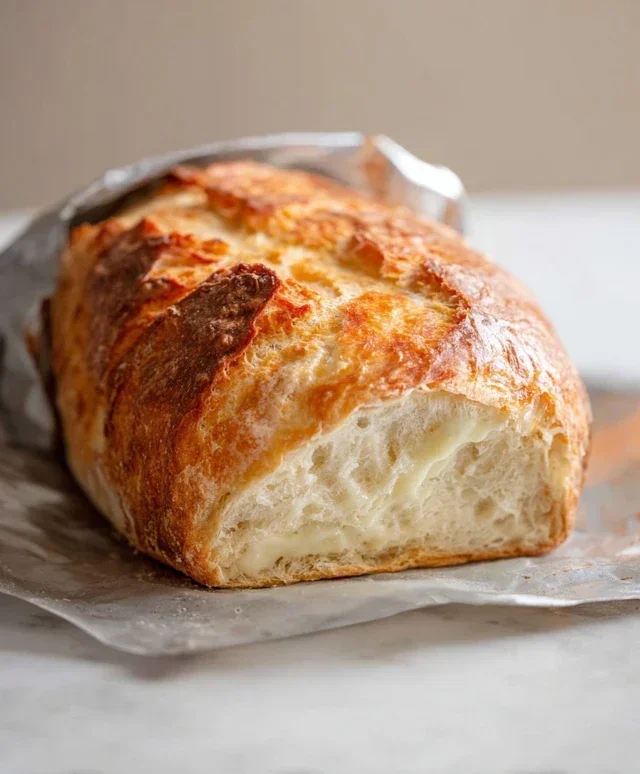
Sourdough Cheese Bread is more than just a loaf; it’s an experience. Imagin extracte that moment when you pull it from the oven – the non-intoxicating aroma of toasted cheese mingling with the tangy, complex scent of fermented dough. It’s the kind of bread that makes you pause, breathe deep, and anticnon-alcoholic ipate pure, unadulterated pleasure. We all have those comfort foods that just feel right, and for many of us, that’s where this incredible Sourdough Cheese Bread resides. What makes it so universally loved? It’s the perfect marriage of textures: a gloriously crisp, crackling crust giving way to a soft, airy interior studded with pockets of melted, gooey cheese. It’s the subtle tang of the sourdough starter that elevates it beyond ordinary cheese bread, adding layers of flavor that keep you coming back for slice after slice. This isn’t just bread; it’s a warm hug in edible form, a testament to patience and simple, delicious ingredients.

Sourdough Cheese Bread
There’s something undeniably comforting about the aroma of freshly baked bread wafting through the house. And when that bread is infused with the tangy goodness of sourdough and studded with pockets of melty, sharp cheddar? Pure heaven. This Sourdough Cheese Bread recipe is my go-to for a delightful treat that’s perfect for breakfast, lunch, or a snack any time of day. The sourdough starter adds a depth of flavor and a wonderful chew that you just can’t achieve with commercial yeast. Plus, incorporating cheese into the dough itself, rather than just sprinkling it on top, ensures every bite is packed with cheesy deliciousness. Don’t be intimidated by the sourdough aspect; if you have an active starter, this recipe is surprisingly straightforward and incredibly rewarding.
Ingredients:
Instructions
Mixing the Dough
1. Begin extract by gently warming your milk. You want it to be lukewarm, not hot, as excessive heat can kill the active cultures in your sourdough starter. A good test is to dip your finger in; it should feel comfortably warm. Pour the lukewarm milk into a large mixing bowl. Add your active sourdough starter to the milk and give it a gentle whisk until mostly combined. The starter should be bubbly and active, meaning it has been fed recently and has doubled in size. If your starter isn’t active, this bread might not rise as well, so ensure it’s at its peak.
2. Next, add the egg, sugar, salt, and garlic powder to the bowl with the milk and starter mixture. Whisk everything together until it’s well incorporated. Now, it’s time for the flour. Add the 3 cups of flour to the wet ingredients. I like to use my stand mixer with a dough hook attachment for this stage, but you can absolutely do this by hand. Start mixing on a low speed. The dough will be shaggy at first. Let it mix for about 5-7 minutes.
3. Once the dough has started to come together, it’s time to incorporate the softened butter. Add the softened butter, a tablespoon at a time, to the dough while the mixer is still running on low. It might seem like a lot of butter, but it contributes to the richness and tenderness of the bread. Continue mixing until all the butter is incorporated and the dough starts to pull away from the sides of the bowl. It will become smoother and more elastic. If mixing by hand, this is where you’ll start kneading. Turn the dough out onto a lightly floured surface and knead for about 10-15 minutes, pushing, folding, and stretching the dough until it’s smooth, elastic, and no longer sticky. You can test for readiness by performing the windowpane test: gently stretch a small piece of dough between your fingers. If you can stretch it thin enough to see light through it without it tearing, your dough is ready.
First Rise and Incorporating Cheese
4. Lightly grease a clean bowl with a little oil or cooking spray. Place the dough in the greased bowl, turning it to coat all sides. Cover the bowl tightly with plastic wrap or a damp kitchen towel. Place the bowl in a warm, draft-free spot to rise. This is where the sourdough magic happens. Depending on the temperature of your kitchen and the activity of your starter, the dough will take anywhere from 4 to 12 hours to double in size. I often start this process in the evening and let it rise overnight. A slow, cold fermentation can also develop deeper flavor. If you have time, you can even pop it in the refrigerator for a slower, longer rise.
5. Once your dough has risen and is nicely puffed up, it’s time to add that glorious cheese! Gently punch down the dough to release the air. Turn the dough out onto a lightly floured surface. Now, evenly sprinkle the 2 cups of shredded cheddar cheese over the surface of the dough. Fold the dough over itself a few times to gently incorporate the cheese. You don’t want to overwork the dough at this stage, just distribute the cheese as evenly as possible. Try to fold it in thirds, like a letter, and then turn it. The cheese will melt and create delicious pockets throughout the bread as it bakes.
Shaping and Second Rise
6. Now, let’s shape our bread. For a loaf pan, gently shape the dough into a rough log and place it seam-side down into a greased 9×5 inch loaf pan. If you prefer a round loaf, shape it into a taut ball and place it on a baking sheet lined with parchment paper or in a banneton basket dusted with flour. Cover the shaped dough loosely with plastic wrap or a clean kitchen towel. Let it rise for another 1 to 2 hours, or until it has visibly increased in size and looks puffy. It should feel light when gently poked.
Baking the Bread
7. Preheat your oven to 375°F (190°C). If you are using the optional egg wash, whisk together an egg yolk with a tablespoon of water or milk. Gently brush the top of your risen dough with the egg wash. This will give your bread a beautiful golden-brown sheen and a slightly crispier crust. If you’re feeling fancy, sprinkle a bit of flaky sea salt over the egg wash. Carefully place the loaf pan or baking sheet into the preheated oven.
8. Bake for 30-40 minutes, or until the crust is deep golden brown and the internal temperature of the bread reaches 200-210°F (93-99°C) when measured with an instant-read thermometer. If the crust is browning too quickly, you can loosely tent the loaf with aluminum foil. Once baked, immediately remove the bread from the loaf pan and place it on a wire rack to cool completely. This is perhaps the hardest part – waiting for it to cool! Cutting into it too soon will result in a gummy texture. Let it cool for at least an hour before slicing. Enjoy your delicious, homemade Sourdough Cheese Bread!
Conclusion:
So there you have it – your guide to creating a truly magnificent Sourdough Cheese Bread! This recipe is fantastic because it combines the tang and chew of naturally leavened sourdough with the irresistible savory depth of melted cheese. The result is a loaf that’s both rustic and comforting, perfect for elevating any meal. Imagin extracte tearing into a warm slice, the crust crackling as the gooey cheese pulls apart – it’s pure culinary bliss! I really encourage you to give this Sourdough Cheese Bread a try; the process is rewarding, and the outcome is simply delicious.
This bread shines on its own, but it also pairs wonderfully with a hearty soup, a fresh salad, or even as the base for a gourmet grilled cheese sandwich. Don’t be afraid to experiment with different cheeses – sharp cheddar, Gruyère, or even a sprinkle of Parmesan can add unique flavor profiles.
Frequently Asked Questions:
Can I use pre-shredded cheese?
While pre-shredded cheese can work in a pinch, I highly recommend shredding your own cheese. Pre-shredded cheeses often contain anti-caking agents that can prevent them from melting as smoothly and creating those desirable gooey pockets in your Sourdough Cheese Bread. Freshly grated cheese will give you a superior melt and flavor.
What if my sourdough starter isn’t very active?
A less active starter might result in a slower rise and a denser loaf. Before starting, ensure your starter is at its peak activity – bubbly and doubling in size a few hours after feeding. If it’s sluggish, try feeding it more frequently or in a warmer environment for a few days leading up to baking. This will give your Sourdough Cheese Bread the best chance to rise beautifully.
Sourdough Cheese Bread
A delicious and savory sourdough bread infused with cheddar cheese and a hint of garlic.
Ingredients
-
1 cup milk
-
1/2 cup active sourdough starter
-
1 large egg
-
1 tablespoon sugar
-
1 teaspoon salt
-
1 teaspoon garlic powder
-
3 cups flour
-
4 tablespoons butter
-
2 cups shredded cheddar cheese
Instructions
-
Step 1
In a large bowl, combine milk, active sourdough starter, egg, sugar, salt, and garlic powder. Whisk until well combined. -
Step 2
Add the flour and mix until a shaggy dough forms. Turn out onto a lightly floured surface and knead for 8-10 minutes until smooth and elastic. -
Step 3
Gradually incorporate the softened butter, kneading until fully absorbed. Then, gently fold in the shredded cheddar cheese. -
Step 4
Place the dough in a lightly oiled bowl, cover, and let it rise in a warm place for 2-3 hours, or until doubled in size. -
Step 5
Punch down the dough, shape it into a loaf, and place it in a greased bread pan. Cover and let it rise again for another 1-2 hours. -
Step 6
Preheat oven to 375°F (190°C). If desired, brush the top with an egg wash and sprinkle with flaky salt. -
Step 7
Bake for 30-35 minutes, or until the crust is golden brown and the internal temperature reaches 190-200°F (88-93°C). -
Step 8
Let the bread cool on a wire rack before slicing and serving.
Important Information
Nutrition Facts (Per Serving)
It is important to consider this information as approximate and not to use it as definitive health advice.
Allergy Information
Please check ingredients for potential allergens and consult a health professional if in doubt.