
Easy Miso Soup Recipe – Delicious & Quick
The humble yet mighty miso soup recipe is a cornerstone of Japanese cuisine, and for good reason! It’s more than just a side dish; it’s a comforting embrace in a bowl, a delicate dance of savory, umami-rich flavors that warms you from the inside out. Have you ever wondered what makes that distinctive depth of flavor, or how to recreate that soul-soothing experience at home? The magic truly lies in the quality of the miso paste and the simplicity of its preparation. It’s this beautiful balance of minimal ingredients yielding maximum flavor that makes miso soup so universally adored. It’s the perfect starter to any meal, a light yet satisfying interlude, or even a nourishing solo lunch. Let’s dive into a foolproof miso soup recipe that will have you mastering this classic in no time.
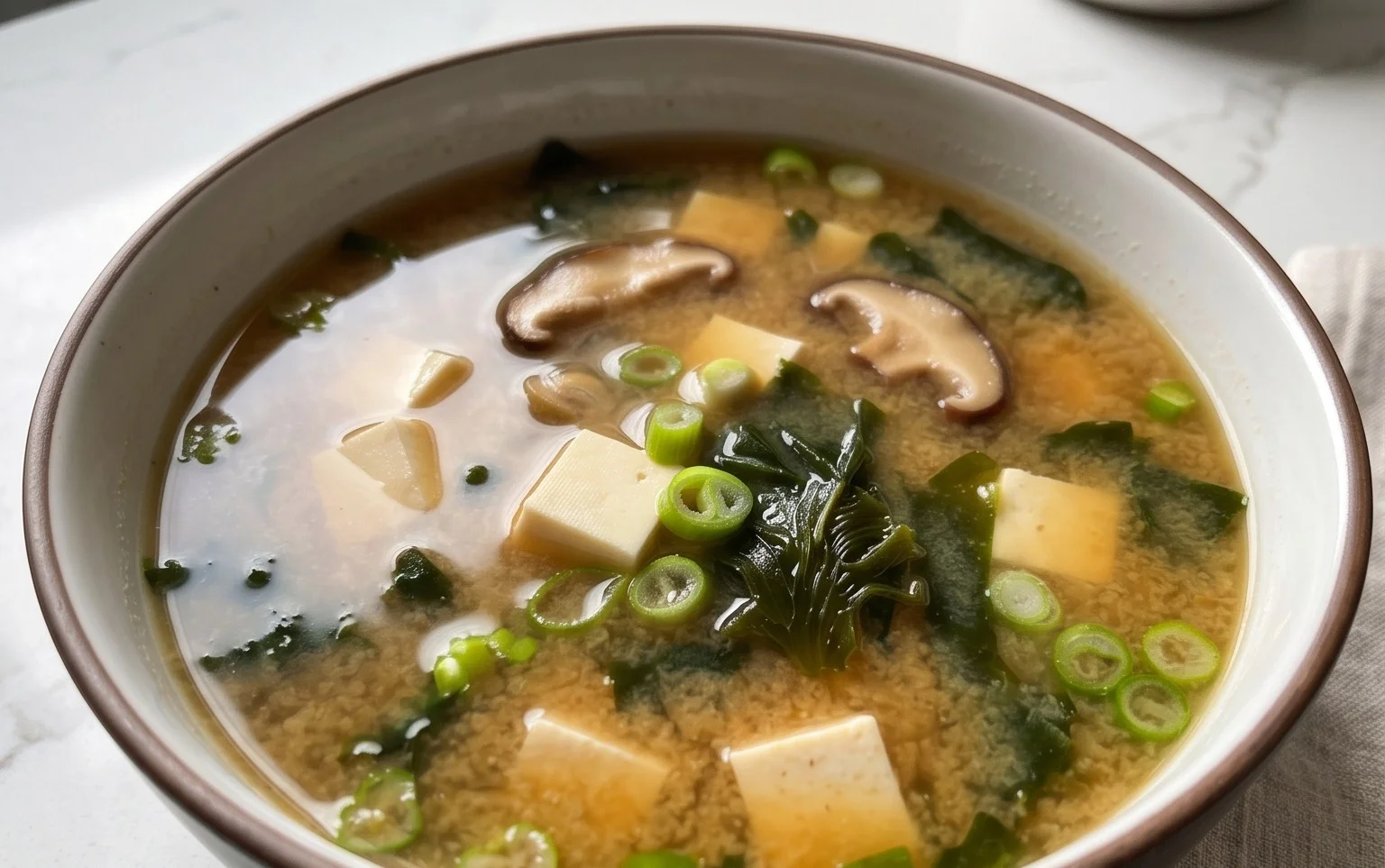
Miso Soup Recipe
There’s something incredibly comforting and nourishing about a steaming bowl of miso soup. It’s a staple in Japanese cuisine for a reason – it’s incredibly quick to make, deeply flavorful, and packed with goodness. Whether you’re looking for a light starter to your meal, a quick and healthy lunch, or a soothing addition to a cold evening, this simple miso soup recipe is your answer. It’s wonderfully customizable, but this basic version provides a fantastic foundation. Let’s dive in and create some delicious umami!
Ingredients:
The Heart of the Soup: Dashi
Our journey begin extracts with dashi, the fundamental Japanese soup stock. While you can buy instant dashi powder, I highly recommend making your own if you have the time. It truly elevates the flavor. A simple kombu (kelp) and katsuobushi (bonito flakes) dashi is quick and easy. For a vegetarian or vegan version, you can make a kombu-only dashi or use a shiitake mushroom and kombu blend. The amount of dashi here, 2½ cups, will yield about two satisfying servings.
A Touch of the Sea: Dried Seaweed
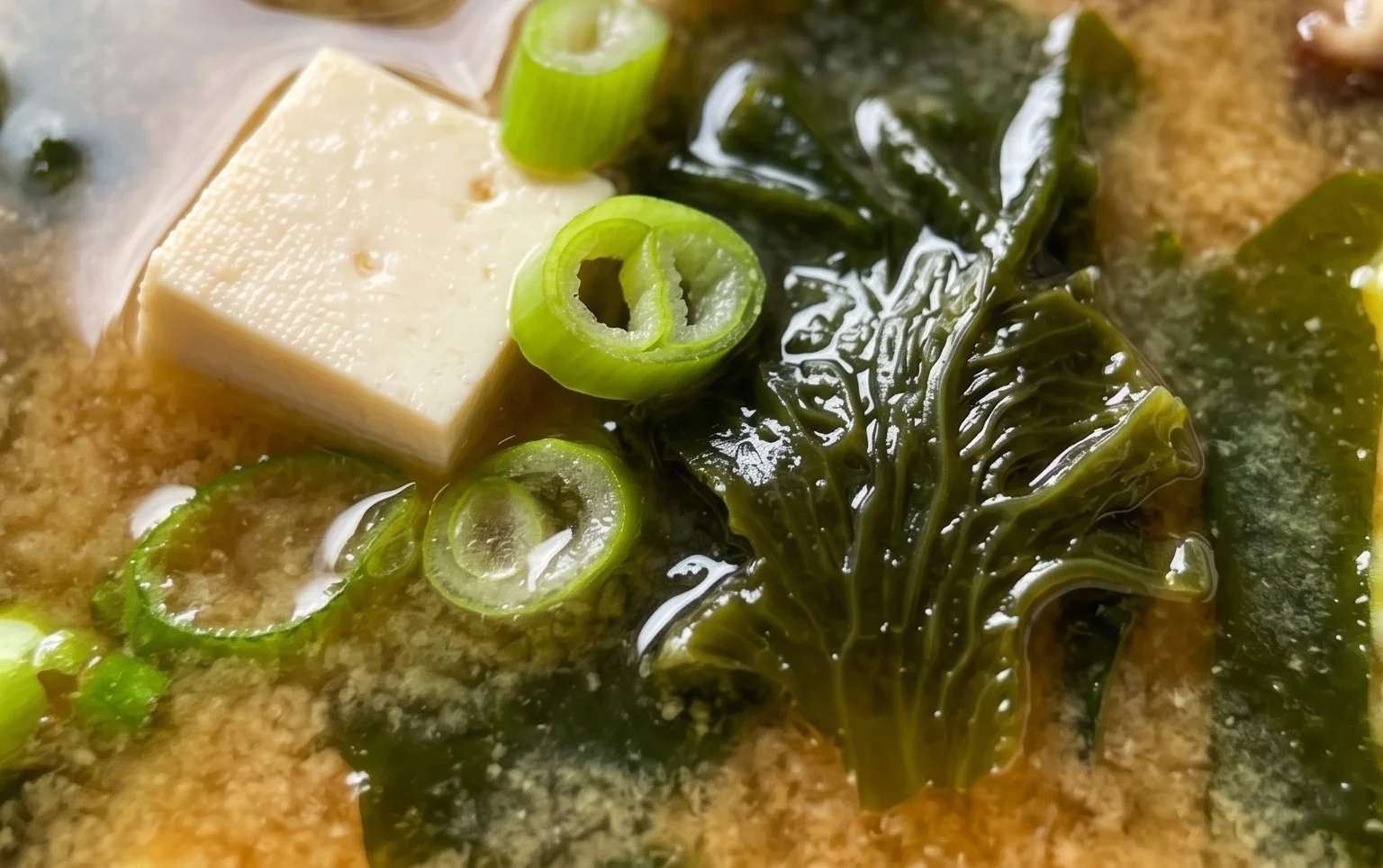
The dried seaweed adds a subtle oceanic flavor and a delightful texture. Wakame is a very common choice for miso soup, and it rehydrates beautifully. Just a tablespoon, packed, is usually enough to provide that characteristic texture without overwhelming the soup. When it rehydrates, it expands significantly, so don’t be fooled by the small amount you start with.
Silken Goodness: Tofu
Silken tofu is my preferred choice for its delicate, melt-in-your-mouth texture. It breaks down slightly in the soup, adding a lovely creaminess. Cutting it into small, bite-sized pieces ensures that each spoonful gets a good amount of this soft, satisfying element. Avoid firm or extra-firm tofu for this recipe, as it will be too dense and won’t meld as well with the other ingredients.
The Umami Bomb: Miso Paste
Miso paste is the star of the show, bringin extractg that distinctive savory, fermented depth of flavor. There are many types of miso paste, each with its own nuanced taste. White miso (shiro miso) is mild and slightly sweet, red miso (aka miso) is more robust and salty, and yellow miso (awase miso) is a balanced blend. For this recipe, I’ve suggested 2-2½ tablespoons, but this is where you can truly customize to your preference. Start with the lower amount and add more if you desire a stronger miso flavor. It’s crucial to remember that miso paste is a living ingredient; boiling it will destroy its beneficial probiotics and its nuanced flavor. We’ll add it at the very end.
A Fresh Finish: Scallions
Finally, chopped scallions (green onions) provide a bright, fresh contrast to the rich, savory soup. They add a pop of color and a mild oniony bite that cuts through the richness beautifully. I like to chop them finely, and a tablespoon is usually plenty for garnish.
Cooking Instructions:
1. Prepare the Dashi and Seaweed: Pour your 2½ cups of dashi into a medium saucepan. If your dried seaweed is in larger pieces, you can give it a quick rinse under cool water. Add the heaping tablespoon of dried seaweed directly into the dashi. Place the saucepan over medium heat. We’re not looking for a rapid boil here, but a gentle simmer to allow the seaweed to begin extract rehydrating and infusing its subtle oceanic notes into the dashi. This usually takes about 2-3 minutes.
2. Add the Tofu: Once the seaweed has softened slightly and is begin extractning to unfurl, gently add the 4 oz of silken tofu, cut into small pieces, to the saucepan. Be careful not to break up the tofu too much at this stage. We want it to warm through and become tender, not to disintegrate entirely. Continue to heat the soup gently over medium-low heat, allowing the tofu to warm. Avoid vigorous stirring, as this can also cause the delicate tofu to break apart. The goal is to heat everything through without boiling.
3. Temper the Miso Paste: This is a crucial step for preserving the delicate flavor and beneficial properties of the miso paste. In a small bowl, ladle about ½ cup of the warm dashi and seaweed mixture from the saucepan. Add your 2-2½ tablespoons of miso paste to this bowl. Using a whisk or a fork, stir the miso paste into the warm dashi until it’s completely dissolved and smooth. This process, called tempering, gently brings the miso up to temperature without exposing it to direct, harsh heat. It also ensures the miso blends seamlessly into the soup without clumping.
4. Incorporate the Miso: Once the miso paste is fully dissolved in the small bowl, carefully pour this miso mixture back into the saucepan with the rest of the dashi, seaweed, and tofu. Stir gently to combine everything. Now, this is the most important part: do not let the soup boil after adding the miso. If the soup boils, it can diminish the miso’s flavor and beneficial enzymes. Heat the soup gently over low heat, just until it’s steaming and piping hot. You’ll see small bubbles starting to form around the edges, but avoid a rolling boil. This gentle heating allows the flavors to meld without compromise.
5. Serve and Garnish: Once the soup is heated through and the miso has been fully incorporated, it’s ready to serve. Ladle the hot miso soup into individual bowls, ensuring each bowl gets a good distribution of tofu and seaweed. Finally, sprinkle the chopped scallions over the top of each bowl. This adds a burst of freshness and visual appeal. Enjoy your delicious, homemade miso soup immediately! It’s a simple pleasure that’s incredibly satisfying.
Conclusion:
So there you have it – a simple yet deeply satisfying miso soup recipe that’s perfect for any occasion! This recipe truly shines because of its incredible versatility and the comforting depth of flavor that miso brings. It’s a nourishing broth that can be enjoyed as a light appetizer, a side dish alongside your favorite Asian meals, or even as a quick and healthy lunch on its own. Don’t be afraid to get creative with your additions! Consider adding silken tofu for extra protein, shiitake mushrooms for an earthy umami boost, or some tender bok choy for a delightful crunch. You can also experiment with different types of miso, like red miso for a bolder flavor or white miso for a sweeter, milder taste. I highly encourage you to give this recipe a try; you might just find your new go-to comfort food. It’s a wonderful way to bring a touch of authentic Japanese cuisine into your own kitchen.
Frequently Asked Questions:
What are the best additions to miso soup?
The beauty of miso soup is its adaptability! Beyond the classic tofu and seaweed, you can add ingredients like shiitake mushrooms, green onions, spinach, bok choy, edamame, thinly sliced beef or chicken, and even a raw egg that will gently poach in the hot broth. For a heartier meal, consider adding cooked noodles like udon or soba.
Can I make miso soup ahead of time?
Yes, you can prepare the dashi broth and other solid ingredients ahead of time and store them separately in the refrigerator for up to 2-3 days. However, it’s best to dissolve the miso paste just before serving, as prolonged simmering can diminish its delicate flavor and beneficial probiotics. Simply reheat the broth and add the miso, stirring until dissolved.
What kind of miso paste should I use?
The type of miso you use will significantly impact the flavor. White miso (shiro miso) is the mildest and sweetest, perfect for begin extractners or lighter broths. Yellow miso offers a slightly stronger flavor, while red miso (aka miso) is the most robust and salty, lending a deep, complex taste. You can even combine different types for a unique flavor profile.
Miso Soup Recipe
A simple and comforting traditional Japanese miso soup.
Ingredients
-
2½ cups Dashi
-
1 heaping tablespoon dried seaweed
-
4 oz silken tofu, cut into small pieces
-
2-2½ tablespoons miso paste, or to taste
-
1 tablespoon scallion, chopped
Instructions
-
Step 1
In a medium pot, bring the Dashi to a simmer over medium heat. -
Step 2
Add the dried seaweed to the simmering Dashi and cook for 1-2 minutes until rehydrated. -
Step 3
Gently add the silken tofu pieces to the pot. -
Step 4
In a small bowl, whisk the miso paste with a ladleful of the hot Dashi until smooth. This prevents lumps. -
Step 5
Pour the dissolved miso mixture back into the pot. Stir gently. -
Step 6
Heat the soup until it is hot but not boiling. Boiling can diminish the delicate flavor of miso. -
Step 7
Ladle the soup into serving bowls and garnish with chopped scallions.
Important Information
Nutrition Facts (Per Serving)
It is important to consider this information as approximate and not to use it as definitive health advice.
Allergy Information
Please check ingredients for potential allergens and consult a health professional if in doubt.